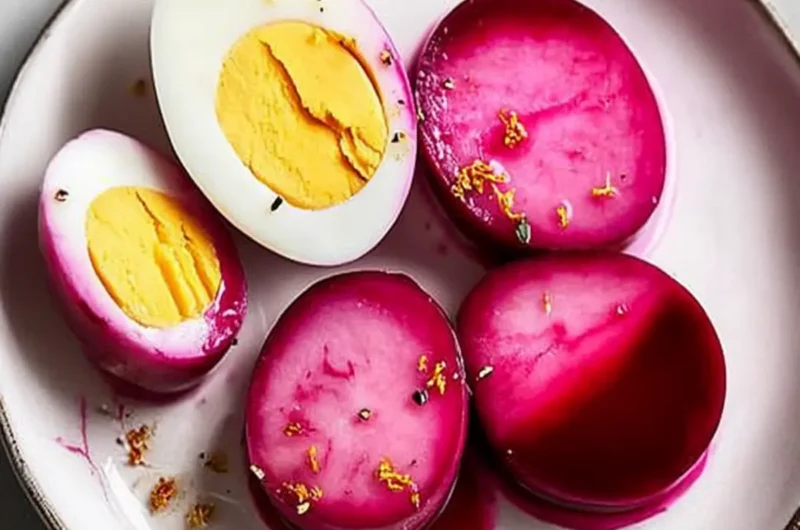
There’s something truly enchanting about the radiant hues of beets mingling with hard-boiled eggs, transforming a simple dish into a vibrant masterpiece. As I carefully place the eggs and beets in their jar, the delicious aroma of the sweet-and-sour brine envelops my kitchen, offering a promise of flavors that will brighten any table. This recipe for pickled eggs with beets isn’t just a feast for the eyes, but a delightful way to elevate your gatherings and special occasions.
After a long week of work and fast food, there’s nothing quite as satisfying as indulging in homemade goodness. With just a handful of ingredients and minimal effort, you can create these stunning pickled eggs that not only parry away the monotony of daily meals but also serve as an intriguing conversation starter at your next brunch or holiday gathering. Perfect for topping off salads or enjoyed straight from the jar, these pickled eggs embody the essence of comfort food beautifully married with tradition. Let’s dive into this colorful recipe!

Why are Pickled Eggs and Beets a Must-Try?
Vibrant hues of beets make these pickled eggs a stunning centerpiece on any table. Quick and easy to prepare, this recipe requires minimal effort but delivers maximum flavor and satisfaction. Versatile delights, you can enjoy them as appetizers or salad toppers! Crowd-pleaser status is guaranteed, making them perfect for gatherings. For more exciting snacking ideas, don’t miss our section on unique serving suggestions!
Pickled Eggs and Beets Ingredients
Get ready to whip up a colorful treat that will impress your guests!
For the Brine
- Cider Vinegar – Offers that tangy acidity essential for preserving the eggs and enhancing flavor; white vinegar is a mild substitute if preferred.
- Sugar – Balances the tartness of the vinegar, adding a delightful sweetness to the brine; feel free to adjust based on your taste!
- Water – Ensures the brine reaches the right consistency; any clean water will do the trick.
For the Pickled Eggs
- Hard-Boiled Eggs – Packed with protein and the star of the show; make sure they are peeled and at room temperature for best results.
- Whole Beets – Infuses a natural sweetness and vibrant color into the mix; if you’re in a pinch, canned beets can be swapped for fresh ones.
These Pickled Eggs and Beets offer a great way to utilize simple ingredients for a delightful homemade snack!
How to Make Pickled Eggs and Beets
-
Drain the Beets: Start by draining the canned beets, making sure to reserve 1 cup of the bright beet juice. Place the beets and your peeled hard-boiled eggs into a 2-quart glass jar, layering them attractively.
-
Prepare the Brine: In a small saucepan, combine the reserved beet juice, sugar, water, and cider vinegar. Bring this mixture to a gentle boil, stirring until the sugar dissolves completely to create a lovely, sweet-and-tangy brine.
-
Pour the Brine: Carefully pour the hot brine over the eggs and beets in the jar, ensuring everything is fully submerged. Let the mixture cool at room temperature for about 15 minutes to allow those flavors to mingle.
-
Refrigerate: Cover the jar tightly and place it in the refrigerator. For the best flavor, allow the pickles to marinate for at least 24 hours before serving—but they’re so tempting, you might want to taste them sooner!
Optional: Serve with fresh herbs for a pop of flavor and color.
Exact quantities are listed in the recipe card below.

Make Ahead Options
These Pickled Eggs and Beets are ideal for meal prep enthusiasts looking to save time during busy weeks! You can prepare the brine (sugar, beet juice, water, and cider vinegar) up to 3 days in advance; just store it in the fridge. Additionally, you can hard-boil the eggs up to 1 week ahead and keep them refrigerated until needed. When you’re ready to assemble, layer the eggs and beets in your jar, pour the prepared brine over them, and let them marinate in the fridge for at least 24 hours for that perfect pickled flavor. This not only saves you time but keeps your pickled eggs just as delicious and vibrant!
What to Serve with Pickled Eggs with Beets?
Enhance your vibrant spread with delightful accompaniments that elevate the flavor and presentation of your pickled eggs.
-
Crusty Bread: A slice of fresh, crusty bread offers a robust base. Perfect for savoring the sweet-and-sour brine with creamy butter.
-
Creamy Potato Salad: A cool, creamy potato salad provides a refreshing contrast. Its rich texture balances the tangy flavor of the pickled eggs beautifully.
-
Garden Green Salad: Fresh, crisp greens bring a lightness to the table. Toss in vinaigrette for a zesty touch that complements the pickled sweetness.
-
Charcuterie Board: Include assorted cheeses and cured meats that harmonize with the eggs’ acidity. The variety will spark conversation while enhancing those tangy notes.
-
Pickled Vegetables: Create a delightful trio by serving additional pickled vegetables alongside. Their crunch complements the eggs, adding extra layers of flavor.
-
Spicy Mustard: A dollop of spicy mustard adds a delicious kick. This bold pairing brings out the sweetness of the beets in a surprising way.
These accompaniments transform your meal, creating a harmonious balance of flavors and textures with the delightful pickled eggs!
How to Store and Freeze Pickled Eggs and Beets
- Fridge: Store your pickled eggs and beets in a tightly sealed jar in the refrigerator for up to 4 months, but enjoy the best quality within the first 2 weeks.
- Room Temperature: Do not store unsealed pickled eggs at room temperature; they require refrigeration to maintain safety and flavor.
- Freezer: Freezing pickled eggs is not recommended; the texture may become rubbery once thawed due to vinegar’s effects on the eggs’ structure.
- Reheating: If desired, you can serve the eggs cold, straight from the jar, or slightly warmed. Just avoid boiling them to maintain their texture.
Expert Tips for Pickled Eggs and Beets
- Submerge Completely: Make sure all eggs are fully submerged in the brine to avoid spoilage and ensure even pickling throughout.
- Tight Seal: Use a tight-sealing jar to keep out air and prevent spoilage; this helps preserve the vibrant pickled eggs and beets longer.
- Optimal Timing: For the best flavor and texture, consume within two weeks. Over time, vinegar may toughen the eggs, leading to a less enjoyable experience.
- Avoid Overcooking: Be cautious not to overcook the eggs; doing so can result in a rubbery texture that detracts from the delicate balance of flavors.
- Experiment with Spices: Feel free to add your favorite pickling spices or even hot peppers for a personalized kick—this can elevate your pickled eggs and beets experience!
Pickled Eggs and Beets Variations
Feel free to get creative with this recipe, adding your own delicious twists and adaptations!
-
Golden Beets: Swap out red beets for golden beets to achieve a sunny hue and milder flavor—perfect for a unique presentation.
-
Spicy Kick: Add sliced jalapeños or crushed red pepper flakes to the brine for a tasty heat that elevates your pickled eggs to new levels.
-
Herb Infusion: Incorporate fresh dill, thyme, or bay leaves into the jar for an earthy twist that pairs beautifully with the sweet-and-sour brine.
-
Garlic Lovers: Toss in a couple of peeled garlic cloves to the jar—infusing a delightful aroma that will surprise your taste buds!
-
Vinegar Swap: Replace cider vinegar with red wine vinegar for a slightly different tang that will round out the sweetness of the beets.
-
Deviled Variation: Crave something different? Use the pickled eggs as a base for deviled eggs, adding mustard and mayo for a colorful spin on a classic dish.
-
Sweets Boost: Experiment by adding a tablespoon of honey to the brine for those who enjoy an extra layer of natural sweetness alongside the tangy flavor.
-
Flavorful Additions: Don’t hesitate to try pickling spices or mustard seeds for a gourmet touch that infuses an exciting depth to each bite.
With these variations, your pickled eggs and beets will never be boring! Enjoy this journey of flavor exploration!

Pickled Eggs and Beets Recipe FAQs
What type of beets should I use for pickling?
Absolutely! You can use both fresh or canned beets for this recipe. Fresh beets provide a wonderful earthy flavor and vibrant color. If you’re short on time, canned beets are a great alternative. Just make sure to drain them well and reserve that precious juice for the pickling brine!
How long can I store pickled eggs and beets?
You can store your pickled eggs and beets in a tightly sealed jar in the refrigerator for up to 4 months. However, for the best taste and quality, I recommend enjoying them within the first 2 weeks. This way, you’ll savor the freshest flavor and delightful crunch!
Can I freeze pickled eggs?
Very! While you might think about freezing pickled eggs, it’s generally not recommended. The vinegar can change the texture of the eggs, making them rubbery once thawed. Instead, enjoy them fresh from the fridge for the best experience!
Advertisement
What should I do if the brine doesn’t cover the eggs completely?
If you find that your brine isn’t fully submerging the eggs, don’t worry! You can top it off with a mixture of equal parts vinegar and water. Just ensure the eggs are fully covered to prevent spoilage. Always use a sealable jar, and make sure it’s airtight to lock in those delicious flavors!
Are pickled eggs safe for pets?
While pickled eggs might seem like a fun treat for pets, it’s best to keep them away. The vinegar and spices used in pickling can upset their stomachs or even be harmful. Always stick to pet-friendly snacks, and enjoy your pickled eggs as a treat just for you!
Why do my hard-boiled eggs turn rubbery in the pickling process?
To avoid rubbery eggs, ensure that your hard-boiled eggs aren’t overcooked. Use the “boil for 9-12 minutes” rule, then immediately cool them in ice water to halt further cooking. Also, consume them within 2 weeks to maintain that perfect balance of texture and flavor!

Elevate Your Snacking: Pickled Eggs and Beets Delight
Ingredients
Equipment
Method
- Drain the canned beets, reserving 1 cup of beet juice. Layer beets and hard-boiled eggs in a 2-quart glass jar.
- In a small saucepan, combine the reserved beet juice, sugar, water, and cider vinegar. Bring to a gentle boil, stirring until the sugar dissolves.
- Pour the hot brine over the eggs and beets in the jar, ensuring full submersion. Let cool at room temperature for 15 minutes.
- Cover the jar tightly and refrigerate for at least 24 hours before serving.